Why baby teeth matter? It is a question that parents keep asking until some dental issues arise. The cute baby teeth that erupt one by one are although falls in a certain age for a kid, but these temporary teeth are very important. They’re the foundation for:
- How a child’s mouth grows
- How they speak
- How they eat
- How their permanent teeth come in later
Some parents think that a cavity in a baby tooth or an early fall of a tooth is not a big issue. This approach is completely wrong because baby teeth prepare a foundation for permanent teeth. Therefore, its upon parents to understand the importance of baby teeth and take good care of their child’s oral health so permanent teeth can grow correctly. This is necessary. Otherwise, dental issues may arise that can affect their lives later.
How Baby Teeth Guide Everything That Comes Next
Baby teeth are also called primary teeth; they:
- Start appearing when the baby is around 6 months of age
- Begin to fall one by one when the kid is around 6 years of age, and permanent teeth take their place.
- Are mostly gone by age 12 or 13
The last baby teeth, usually the back molars, typically fall out between ages 10–13. By about 12–13 years old, most children have lost all 20 of their baby teeth and have their permanent teeth in place except wisdom teeth, which come later. Primary teeth act like placeholders. Each one holds a specific spot in the jaw so the permanent tooth underneath can come in straight when it’s ready, and no issues come its way.
In some cases, a baby tooth may fall early. The reason could be an injury or tooth decay. Under such conditions, the tooth nearby gradually moves into the space. This can cause a great hurdle for the permanent tooth, which then fails to erupt properly. Sometimes the permanent tooth comes in crooked, or it might not come in at all. According to orthodontists, issues created through early falling teeth can only be fixed through braces.
Apart from acting as a placeholder, baby teeth are also responsible for chewing food. When teeth hurt or are missing, children often start avoiding harder foods like:
- Apples
- Carrots
- Meat
They prefer to take soft processed foods, which affect nutrition and even jaw development over time.
Teeth, tongue, and lips make up our speech. Especially front teeth are important for making clear “th,” “f,” and “s” sounds. Kids with missing or severely decayed front teeth sometimes develop speech patterns that stick around even after the permanent teeth come in.
Why Baby Teeth Matter for Long-Term Dental Development in Children
Baby teeth play a strong role in the dental development ahead when permanent teeth begin to erupt. Healthy baby teeth ensure proper growth of the jawbone. The reason is that a child can chew on both sides of the mouth without pain if teeth are healthy, causing even development of the jaws. Uneven chewing can lead to subtle shifts in how the upper and lower jaws relate to each other.
There’s also the issue of infection. A cavity in a baby tooth can reach deep down inside the tooth and enter the nerve area. Here the infection creates an abscess. If this infection is left untreated, it can damage the permanent tooth developing underneath. Dentists sometimes notice that a permanent tooth comes in with white or brown spots, or even looks a bit damaged, because of an infection that started in the baby tooth above it years earlier. That’s one of the harder truths about not taking care of baby teeth. The problems don’t always stay with the baby teeth. They can cause major issues in adulthood.
Everyday Reasons Why Baby Teeth Matter More Than Most People Think
A tooth decay that is visible in front teeth can make your child conscious in his class while smiling and talking to others. This can lower their confidence.
Then there’s the simple fact that baby teeth have to last for years. The back ones (molars) often stay until age 10–12. That’s a long time for a tooth to remain healthy under the pressure of daily eating, brushing (or lack of it), and the occasional sugary snack. Parents who doesnot pay care of their kids’ teeth, thinking that baby teeth are temporary and are supposed to fall out, are inviting dental issues for their child. These issues will turn huge in the future and cost too much money to fix.
Common Problems That Show Why Baby Teeth Care Matters
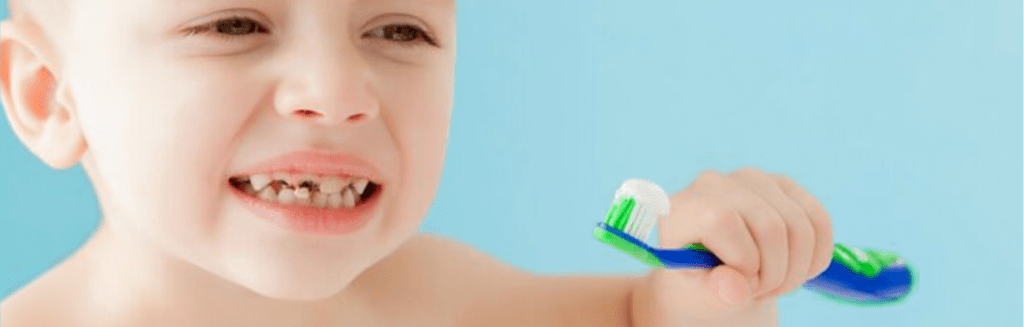
One of the most frequent issues is early childhood caries, sometimes called baby bottle tooth decay. This happens when a baby falls asleep with a bottle of juice or milk in his mouth. The sugar remains on teeth for longer, leading to decay. The upper front teeth are usually affected first with this dental issue. The enamel of baby teeth is thin compared to permanent teeth, so the decay that starts spreads quickly to other teeth.
Another problem is when a baby tooth doesn’t fall out on time. Sometimes the permanent tooth starts coming in behind or in front of the baby tooth, creating a double row. Dentists call this ectopic eruption, and the tooth is called an ectopic tooth. This is a tooth that comes in at the wrong angle or position. The immediate treatment can make the treatment process easier and faster.
Gum infections and abscesses are also more common than parents realize. It is hard to notice, and kids don’t always complain about mild discomfort. Therefore, an infection can quietly damage the bone or the developing permanent tooth. Regular check-ups help catch these things before they become serious.
Practical Baby Teeth Care That Actually Works
Good baby teeth care doesn’t have to be complicated. Follow these instructions:
- Start with cleaning even before the first tooth appears
- Wipe the gums with a soft cloth after feeding the baby to remove milk residue
- Once teeth come in, use a soft infant toothbrush and a tiny smear of fluoride toothpaste to gently brush them.
- Brush twice a day when more teeth appear
- Around age 3, increase the amount of toothpaste, i.e., a pea-sized amount
- Start flossing teeth when two teeth touch. You can use flossers that are specifically designed for kids
Be careful about your kid’s diet because frequent snacking on sugary foods or drinks keeps the mouth acidic for longer periods. Therefore, limit intake of juices, offer them water between meals, and save sweets for mealtimes rather than all day to help protect the enamel.
Regular dental visits are also necessary. Most pediatric dentists recommend a first visit by age 1, or within six months of the first tooth appearing. A kids dentist Dubai can check for early signs of decay, give personalized advice, and help parents feel more confident about daily care. Finding a good kids dentist Dubai who is patient with little ones makes the whole experience less stressful for everyone.
What Happens When Baby Teeth Are Neglected
When cavities go untreated, the consequences go beyond a simple filling.
- Pain can interfere with eating, sleeping, and concentration at school.
- Infections can spread to other teeth and also reach tooth nerves.
- Can also damage the developing permanent tooth beneath.
- In severe cases, a child might need a baby tooth extracted early, which then requires a space maintainer to keep the gap open for the permanent tooth.
Space maintainers are small appliances that prevent neighboring teeth from drifting. They work well, but they’re an extra step that could often have been avoided with earlier care. Some children end up needing more complex orthodontic treatment later because of these early losses.
There’s also the financial side. Treating advanced decay in a young child often requires more specialized care, sometimes even sedation or general anesthesia if the child is too young to cooperate. Preventing problems is almost always simpler and less expensive than fixing them after they’ve grown.
Building Good Habits That Last
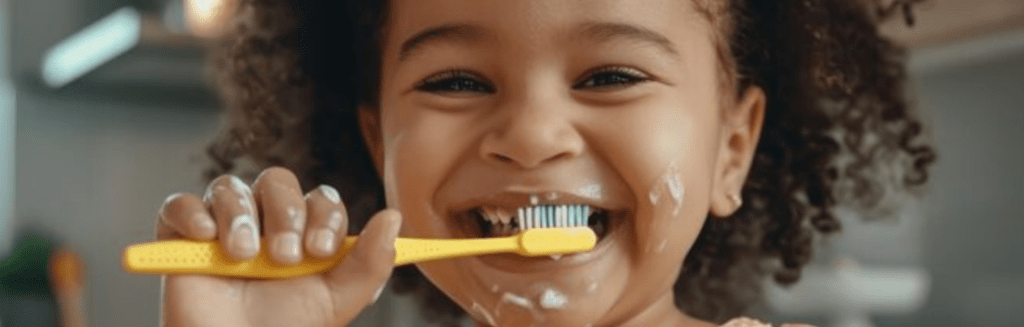
One of the quieter benefits of looking after baby teeth is the habits it builds. Kids who get used to brushing every day, going to the dentist without dread, and understanding that their teeth matter usually carry those same habits into adulthood. The reverse is true too, i.e., if dental care always feels like a fight or only happens when something hurts, that attitude can stick around for years.
Parents who stay consistent with baby teeth care often notice their kids become more cooperative as time goes on. The earlier the routine starts, the more normal it feels to them.
Final Thoughts
Consult a dentist to know why baby teeth matter because paying attention to the daily care of baby teeth and seeing a dentist early can prevent a lot of unnecessary trouble. Those little teeth may not be permanent, but the role they play is lasting. If you’re looking for gentle, child-friendly care, Klinika Dental Clinic Dubai is a good place to start. Their team can help you keep your child’s smile healthy from the very first tooth.
FAQs
- Why do baby teeth matter if they’re just going to fall out?
Even though they’re temporary, baby teeth:
- Hold space for permanent teeth
- Help with speech
- Support proper chewing
- Guide jaw growth.
- When do baby teeth usually start coming in?
Most babies get their first tooth around 6 months. Some may get them a bit early or a bit later, but all 20 teeth are completed by the age of 3.
- How long do baby teeth stay in the mouth?
They usually start falling out around age 6 and are mostly gone by age 12 or 13.
- What will be the consequences if a baby tooth falls earlier?
The space created by the early fall of a tooth causes the nearby tooth to gradually shift into that space. This blocks the way of the permanent tooth underneath and may also lead to teeth crowding later.
- Can a cavity in a baby tooth affect the permanent tooth underneath?
If the cavity in a baby tooth is ignored and left untreated, the infection can reach the nerves in the root of the tooth and also damage the permanent tooth developing below it.