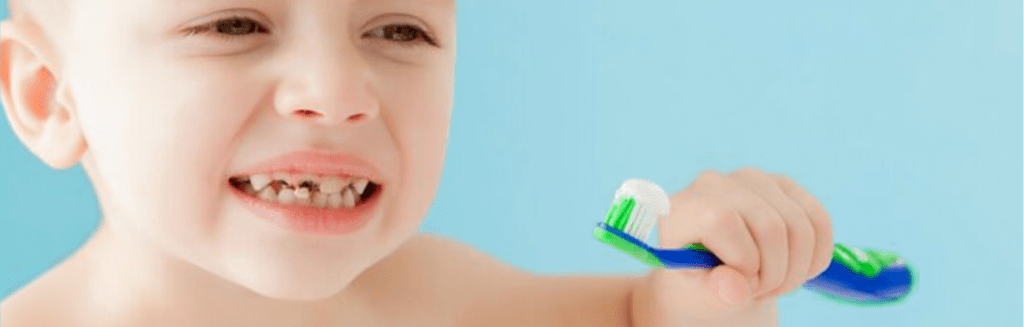
Tooth decay in toddlers carries a particular kind of dread that sets in when you look into your toddler’s mouth and spot a brown or chalky patch on a tooth that definitely wasn’t there last month. And the questions come fast, like:
- Did I do something wrong?
- Isn’t he too young for this?
- Aren’t baby teeth supposed to be a bit more forgiving than the ones that come later?
Tooth decay in toddlers is way more common than most parents expect, and it rarely comes down to one obvious slip-up. It’s usually a handful of small, everyday things quietly working together over months, often with no visible warning until the damage is already done. So understanding what’s actually driving it, rather than just memorizing how to brush it away, is really the key to catching it before it starts.
The Basic Mechanics of Decay
Cavities don’t show up because a child ate something sweet. They show up because of what happens afterward. Your child’s mouth is full of bacteria, and some of those bacteria feed on the sugars and starches left behind on the teeth. As they feed, they produce acid, and that acid pulls minerals straight out of the enamel, the hard outer shell of the tooth. Dentists call this demineralization.
Normally, saliva helps to:
- Rinse away food particles
- Neutralize acid
- Help put minerals back into the enamel
But when acid attacks come too often, or when saliva flow drops, which usually happens naturally during sleep, the mouth simply can’t keep pace. Enamel weakens, then breaks down, and eventually a cavity forms.
Which is really why decay in a toddler’s mouth is rarely one single event. It’s the buildup of lots of small acid attacks outrunning the mouth’s ability to bounce back.
It’s About How Often They Eat Sugar
Parents tend to zero in on how much sugar their child eats, but frequency actually matters more than quantity. A toddler who has a small dessert after dinner gives their teeth one acid attack to deal with. A toddler who sips a juice cup on and off all afternoon barely gives their teeth a break at all.
This is one of the most overlooked causes of tooth decay in children:
- Grazing
- Snacking throughout the day
- Refilling a sippy cup every time it’s empty
- Nibbling crackers between meals
All this keeps the mouth in a near-constant acidic state. The teeth never really get the recovery window they need. Moreover, sticky, starchy foods make it worse, because they cling to the teeth longer than something that dissolves quickly. These include:
- Dried fruit
- Gummy snacks
- Crackers, even some snacks marketed as “healthy” for toddlers
Bottle and Sippy Cup Habits
One of the best-documented causes of early childhood decay is prolonged bottle or sippy cup use, especially at bedtime. When a toddler drifts off with a bottle of milk, formula, or juice, that liquid pools around the teeth for a long stretch. And saliva is already running low during sleep, so there’s not much washing the sugar away or buffering the acid.
This pattern shows up often enough in pediatric dentistry that it has its own name, i.e., early childhood caries, though a lot of people still know it as “baby bottle tooth decay.” It typically hits the upper front teeth hardest, since those are the ones sitting longest in the pooled liquid.
The solution to this is not necessarily pulling bottles away before a toddler is ready for that. It’s being intentional about what’s actually in the bottle at bedtime. Water is really the only safe bet for anything a child falls asleep drinking. This is a core part of good toddler dental care.
Bacteria Passed Down from Caregivers
Here’s a fact that catches a lot of parents off guard. The bacteria mainly responsible for cavities, a species called Streptococcus mutans, isn’t something kids are born with. It gets passed to them, usually by parents or caregivers, through completely ordinary contact such as:
- Sharing a spoon while tasting your toddler’s food
- Popping a dropped pacifier into your own mouth to “clean” it
- Kissing your child on the lips
All of these can transfer these bacteria. Once they’re established in a toddler’s mouth, they get to work as soon as teeth erupt and sugar becomes available.
Parents who’ve dealt with a lot of untreated cavities themselves tend to carry a heavier bacterial load, and that gets passed along too. This isn’t a case of parents doing anything unusual or careless; it’s just how oral bacteria spread within families. But it does mean a parent’s own dental health quietly factors into a toddler’s cavity risk, whether anyone realizes it or not.
Brushing That’s Skipped or Rushed
Toddlers just don’t have the fine motor control to brush their own teeth well, and most won’t for years yet. So when brushing gets skipped, rushed, or left mostly to a child who can’t really manage a toothbrush, plaque builds up undisturbed.
Plaque is basically a sticky film of bacteria, and if it isn’t cleared away regularly, it hardens and gets harder to remove, all while continuing to churn out the acid that wears down enamel. A missed bedtime brush is particularly costly, because it leaves that plaque, plus whatever sugar residue is left from the day, sitting on the teeth overnight with barely any saliva around to push back.
Under-brushing isn’t always about neglect, either. Toddlers wriggle, resist, clamp their mouths shut, and plenty of exhausted parents let a two-second brush count as “done” just to move on with the evening. Understandable. But those small shortcuts add up over time into real decay risk.
Understanding the Main Causes of Tooth Decay in Children
Enamel that hasn’t fully hardened yet plays a big role. Baby teeth start with thinner enamel than adult teeth, which makes them more vulnerable to acid from day one. Newly erupted teeth are especially soft, since enamel keeps hardening for a while after a tooth first appears. This is part of why tooth decay in toddlers can move faster than parents expect. A cavity that would take ages to develop in a fully mineralized adult tooth can form and spread surprisingly quickly in a toddler’s still-maturing enamel.
Not enough fluoride also matters. Fluoride helps by strengthening enamel and making it more resistant to acid. Toddlers lose one of the more effective defenses available against decay if:
- They use a fluoride-free toothpaste
- Don’t get much fluoride through their drinking water
- Skip the fluoride varnish a dentist might suggest
When Toddler Tooth Decay Treatment Becomes Necessary
Medical and developmental factors can sit outside daily habits altogether. Kids with certain medical conditions produce less saliva, which knocks out a chunk of the mouth’s natural defense. Toddlers on long-term medication, especially liquid medicines sweetened to make them easier to take, might be getting frequent low-level sugar exposure without anyone clocking it.
When decay has already formed, toddler tooth decay treatment may involve:
- Fillings
- Fluoride treatments
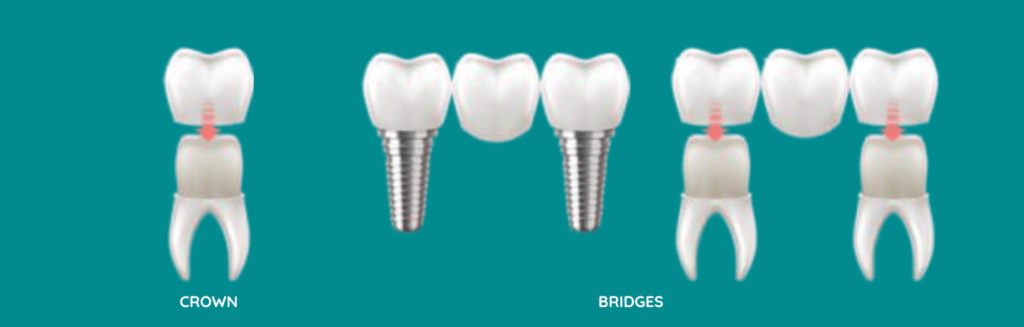
- Crowns or extractions
Catching issues early through regular toddler dental care often means simpler and less invasive options.
Access and Circumstance Matter Too
It’d be a bit incomplete to talk about the causes of tooth decay in children without mentioning access. Families without easy access to a pediatric dentist often miss out on early guidance such as things like:
- Fluoride use
- Diet tweaks
- Brushing technique suited to a toddler’s age
And when affordable, less processed food isn’t easy to come by, families sometimes lean on more convenient, sugar-heavy options, not out of carelessness, but out of practical necessity.
How These Causes Tend to Stack Up
In real life, toddler tooth decay is rarely traced back to just one thing. A child who falls asleep with a milk bottle most nights, grazes on crackers all day, gets a rushed or skipped bedtime brush, and happens to pick up a heavier bacterial load from a parent is dealing with several risks piling on top of each other. Any one of these alone might not do much damage. Stacked together, though, they create exactly the kind of constant acid exposure enamel can’t keep up with. Which is actually kind of encouraging, if you think about it. Because the causes build on each other, you don’t have to fix everything at once to make a real dent. Cutting back on grazing, swapping a bedtime bottle for water, and making sure the nightly brush actually happens can lower the risk meaningfully, even if other things stay imperfect.
So What Does This Mean for Prevention?
Once you see the causes laid out like this, cavity prevention stops feeling like a matter of willpower and starts looking like a handful of specific, changeable habits:
- Limit how often sugary or starchy foods and drinks show up through the day, not just how much
- Save bottles of milk or juice for mealtimes, not sleep
- Watch for indirect bacteria transmission, like sharing utensils or “cleaning” a pacifier with your own mouth
- Make sure a full, proper brushing happens morning and night, even when your toddler fights it
- Use an age-appropriate amount of fluoride toothpaste, consistently
- Book that first dental checkup by age one, so anything specific to your child gets caught early
None of this calls for overhauling your whole family life. These are small, repeatable adjustments, and because decay builds up gradually from a mix of causes, small consistent changes are often enough to change the outcome entirely.
The Takeaway
Tooth decay in toddlers is caused by the sum of smaller, everyday causes, rather than one mysterious event. Parents should consult a good pediatric dentist at Klinika Dental Clinic in Dubai to get a clear, practical sense of exactly where to focus, both for prevention and, when needed, timely toddler tooth decay treatment.
FAQs
- What are the main causes of tooth decay in children this age?
The biggest causes of tooth decay in children include:
- Frequent sugar exposure
- Nighttime bottles
- Bacteria passed from caregivers
- Inconsistent brushing
- The naturally thinner enamel of baby teeth.
These factors often stack together rather than acting alone.
- Is it okay if my toddler falls asleep with a bottle of milk?
It’s one of the biggest risk factors for early decay. Milk or juice that sits around the teeth overnight, especially when saliva flow is low, creates the perfect conditions for cavities, particularly on the upper front teeth.
- My child fights brushing. Does a quick brush still count?
A rushed or incomplete brush leaves plaque behind, especially at night. Even when it’s difficult, taking the time to do a thorough job (or finishing it yourself) makes a real difference over time.
- Do baby teeth cavities need to be treated?
Yes. Untreated decay can cause pain, infection, and problems with the permanent teeth developing underneath. Early toddler tooth decay treatment is usually simpler and less stressful than waiting.
- How can I reduce the risk of tooth decay in my toddler?
Limit frequent snacking and sugary drinks, avoid bottles of milk or juice at bedtime, brush twice a day properly with the right amount of fluoride toothpaste, and start dental visits early.