Some people achieve better results after teeth whitening treatment, while others see almost no results or the results are worst that end up with sensitive teeth.
Teeth whitening myths often stop people from getting the beautiful, sparkling smile they wish to have. From social media influencers to old family stories, there’s a lot of confusing and incorrect information about how to get a brighter smile. Many people want whiter teeth, but hesitate because they’ve heard things like:
- Whitening damages your teeth
- Causes extreme pain
- Natural remedies can give the same results as professional treatments
The truth is that modern teeth whitening is safe and effective when done properly, but separating fact from fiction is important.
Why Teeth Whitening Myths Persist
From old days till now, people have been trying various natural ingredients to make their teeth whiter. This includes:
- Charcoal
- Lemon
- Salt
- Turmeric
- Coconut oil pulling
- Orange peel
These old remedies are everywhere on the internet. You may find videos or articles written about these homemade recipes. Just to promote such products, many advertisers are connecting scary stories to professional teeth whitening procedures. This makes people nervous about their decision of consulting a dentist for whitening treatments.
As a result, there is a lot of confusion among people about what’s safe and what really delivers results.
Common Teeth Whitening Myths
Many Teeth Whitening Myths create unnecessary fear. For example:
- Some believe whitening makes teeth “see-through”
- Some say it causes permanent sensitivity
- Others think natural methods like baking soda, activated charcoal, or strawberries are safer and just as effective
In reality, natural remedies are often abrasive. They can scratch enamel and also irritate gums. Professional treatments are carefully formulated to balance effectiveness with safety.
Here are common teeth whitening myths.
Myth 1: Teeth Whitening Damages Your Enamel Forever
The teeth whitening myths we often hear are that the chemicals used in professional treatment by a dentist damage enamel. They make it weak and increase the probability of damage. However, this treatment in an expert’s clinic does make your tooth enamel slightly porous, but that condition is not permanent. It heals within a few days. Till then, patients need to take good care of their teeth to achieve the desired results. A professional dentist knows in what concentration the use of teeth whitening chemicals, i.e., hydrogen peroxide or carbamide peroxide, is safe for teeth.
On the other hand, people making overuse of cheap whitening products are dangerous because it causes demineralization of enamel, making it weak and prone to damage. That’s why people are asked to seek professional guidance and avoid whitening teeth too soon or too much.
Myth 2: Every Whitening Product Delivers the Same Results
Many people think that professional treatments are expensive, so they select cheap options from a pharmacy without getting any suggestions from an expert dentist. They expect the same results as professional treatment, but there is a huge difference. In professional treatments:
- Bleaching agents are strong but used by dentists in a controlled manner that is safe.
- Dentists may also use lasers or special lights so agents can penetrate in a better way into the teeth for removing stains.
- The teeth become 5-10 shades lighter
Whereas other products:
- Are not very concentrated to remove stains effectively
- They only remove stains at the surface level and do not eliminate them from depth, as happens in professional treatment.
- Typically achieve only 1–3 shades
Myth 3: Teeth Whitening Is Extremely Painful
The fear of sharp pain stops many people from trying teeth whitening. However, modern methods used for teeth whitening in dental clinics are generally comfortable. Some people experience temporary dentin hypersensitivity (increased sensitivity to hot or cold), but this usually fades within 24–72 hours. Good clinics apply desensitizing gels before and after treatment to minimize discomfort. Most patients describe the sensation as mild tingling rather than real pain.
Myth 4: Whitening Results Are Permanent
Some people expect that after getting teeth whitening treatment, their teeth will stay white forever. This doesn’t happen because results depend on the following:
- Aging
Teeth naturally get darker with age.
- Diet
Those who eat or drink too much colored food get their teeth stained soon.
- Habits
Those who smoke or drink too much coffee or tea have their whitening fade away faster.
You can keep your teeth bright and shiny longer if you regularly clean your teeth in a proper manner, as suggested by your dentist, and stay conscious about your oral health. Normally, whitening results last 6 months to 2 years, depending on your lifestyle.
Myth 5: Whitening Can Remove All Kinds of Stains
Some tooth discoloration does not respond to the whitening treatment in the same way as normal stains do. It is effective in removing yellow or brown stains caused by food, drinks, and aging. However, it is less effective on:
- Gray stains caused by antibiotics like tetracycline
- Stains inside the tooth.
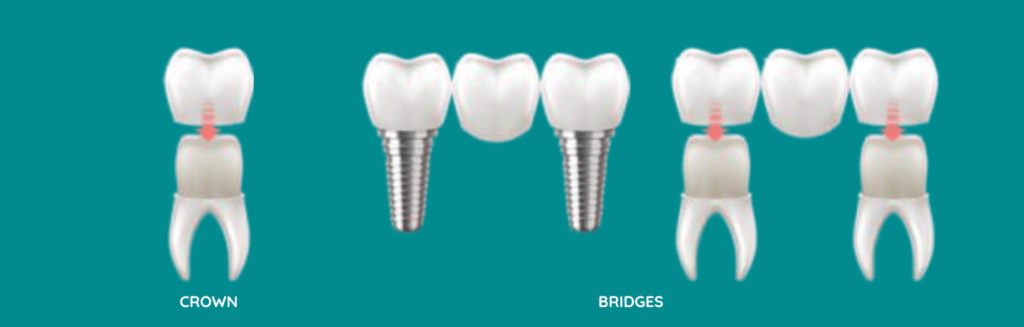
Other dental treatment options, such as veneers or crowns, can treat the condition.
Myth 6: Natural Remedies Are Safer and Better
Activated charcoal, coconut oil pulling, and lemon juice are popular on social media.
Most natural remedies are either ineffective or harmful, like:
- Lemon juice is highly acidic and can cause enamel erosion
- Charcoal is abrasive and may scratch the tooth surface
Professional whitening is a safe procedure, done through controlled methods. Moreover, it is much more effective than other remedies you see online.
Myth 7: Whitening Is Only for Young People
Older people think that it’s too late for them to get whitening treatment from a dentist. Many older adults think it’s too late for them. As long as your teeth and gums are healthy, whitening can remove years of staining and make you look younger and more vibrant.
What Really Works
If you want real, long-lasting results, here’s what actually works:
In-Office Professional Whitening
Done in one visit using high-concentration gel and light activation. Gives the most dramatic and even results.
Custom Take-Home Kits
Provided by your dentist with custom trays and professional-strength gel. These are safe to use and show good results compared to those you buy from stores.
Maintenance Treatments
Touch-up sessions every 6–12 months help keep your smile bright.
Good Daily Habits
- Brushing with non-abrasive toothpaste,
- Flossing
- Avoiding staining foods helps preserve results
Practical Tips for Best Results
- Avoid dark foods and drinks for 48–72 hours after treatment
- Use a straw when drinking colored beverages
- Maintain excellent oral hygiene
- Schedule regular dental cleanings
- Consider a touch-up treatment once a year
The Science Behind Safe Whitening
Professional teeth whitening works by breaking down large pigment molecules into smaller ones that are less visible. The process is carefully controlled to avoid harming the tooth structure. When done by qualified professionals, the risk of complications is very low.
Conclusion
Teeth Whitening Myths affect the decision of some people to get professional teeth whitening treatments. If you get it done by a trusted dental clinic like Klinika Dental Clinic in Dubai, you will get it done correctly, safely, and effectively. For long-lasting results, you have to pay good attention to your oral hygiene after the treatment.
FAQs
- What are the most common Teeth Whitening Myths?
The common myths are:
- Whitening damages enamel permanently
- All products work the same
- Natural remedies like charcoal or lemon are better and safer.
- Does teeth whitening damage your enamel?
Professional teeth whitening does not damage teeth if done by an expert dentist. They use whitening products in a controlled manner. Teeth enamel does become porous temporarily, which is a part of the treatment, but recovers after a few days.
- Are natural remedies like charcoal or lemon juice effective for whitening?
They are not as effective as people think they will be and can also cause damage to tooth enamel and gums.
- Lemon juice is acidic and erodes enamel
- Charcoal is too abrasive and can scratch teeth
- Can whitening fix all types of tooth discoloration?
Teeth with yellow or brown stains can be treated with a whitening procedure, but gray stains that often occur from medications or internal discoloration may need other treatments like veneers or crowns.
- Is it safe to whiten teeth at home without a dentist?
It is better to consult a dentist because they are professionals and know which product is good and in what concentration it should be applied, which is safe for tooth enamel and gums.