Signs your child may need braces are essential to notice before these signs take the shape of a serious issue that is uncontrollable. These signs often show up earlier than most parents expect. Parents usually think that they should wait for their child’s first dental examination by a dentist until they enter their teenage years. This is the wrong approach because early intervention can make the process easier and shorter.
In kids mouth changes faster, such as:
- Baby teeth fall out,
- Permanent teeth come in
- Jaws keep growing.
Sometimes everything lines up nicely on its own. Other times, small problems start to show up that can turn into bigger ones if left alone. That’s why paying attention during the early years of your kids is very important.
Common Early Warning Signs
It is easy to notice the early signs your child may need braces if you already have knowledge about it. Some issues are so hidden that they are only diagnosed through dental examination by an expert dentist.
Crowded or Crooked Teeth
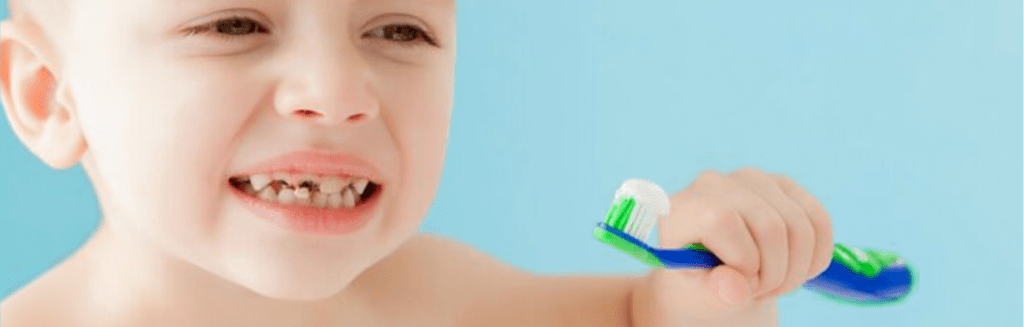
When permanent teeth start coming in, and there isn’t enough space, they can overlap or twist. This is one of the most common reasons that ends up needing braces for children. Crowding causes many issues. First of all, it gives your teeth an uneven look that is not pleasant to the eyes. Moreover, it makes cleaning teeth harder. Food gets stuck between teeth, and brushing alone cannot clean them properly. This increases the probability of getting cavities, and gum problems also develop later.
Gaps Between Teeth
Gaps between teeth can happen in small kids, but if these gaps stay even after permanent teeth erupt or become bigger in size, then it’s a problem to worry about. This points to the uneven development of jaws and teeth.
Overbite or Underbite
An overbite is when the upper front teeth stick out too far over the lower ones. An underbite works the other way around, where the lower teeth come forward in front of the upper teeth. Both can affect chewing, speech, and even the way the face grows. These bite problems fall under the broader term malocclusion, which simply means the teeth don’t meet the way they should.
Crossbite
It occurs when one or more upper teeth bite on the inside of the lower teeth rather than the outside. It can cause the jaw to shift to one side when the child bites down and may lead to uneven wear on the teeth.
Thumb Sucking or Pacifier Habits
Most kids have a habit of sucking their thumb or pacifier. If this habit stays even after the age of 4 or 5, the upper front teeth are pushed forward, or the shape of the upper jaw is altered. This habit leads to the need for braces in later years.
Mouth Breathing or Snoring
Chronic mouth breathing can affect how the jaws develop. Kids who breathe through their mouths a lot sometimes develop longer, narrower faces and crowded teeth.
Difficulty Chewing or Biting
If your child complains that food is hard to chew, or if you notice they avoid certain foods, it could be a sign that their bite isn’t working well.
Speech Issues
Some kids develop lisps or other speech difficulties when their teeth or jaws are out of alignment. While not every speech problem is related to teeth, it’s worth checking with both a dentist and a speech therapist.
Falling of baby teeth too early
Losing baby teeth too early can let neighboring teeth drift into the space, leaving less room for the permanent tooth. Losing them too late can block the permanent teeth from coming in properly. Both situations often lead to the need for braces for children.
Why Spotting Signs Your Child May Need Braces Early Makes a Difference
The dental examination of a child should be made by age 7 because at that time, jaws are growing and permanent teeth are erupting. At that age, the orthodontist can see how the jaws are growing and whether the permanent teeth have enough space. Taking your kid to the dentist for early evaluation does not mean that he or she will get braces. Sometimes the doctor just keeps an eye on things. Other times, a short phase of treatment, i.e., often called Phase 1, can guide the jaws while they’re still growing and make later treatment much simpler.
If you wait until all permanent teeth are erupted can make it harder for dentists to fix some dental issues because growth is finished. Taking care of the dental issues at their earliest can lower the chance of:
- Needing extractions
- Jaw surgery
- Very long treatment later
What Happens During an Early Orthodontic Evaluation
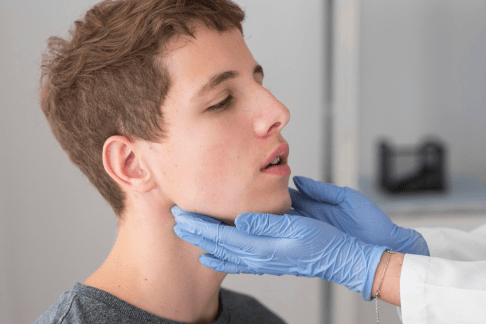
The visit is usually quick and painless. The orthodontist will:
- Look at the teeth
- Check the bite
- Often take photos
- Take a panoramic X-ray
They’ll talk to you about any concerns and explain whether treatment is needed now, later, or not at all. If early treatment is recommended, it might involve:
- A simple expander
- A partial set of braces
- A retainer-like appliance
These tools help create space, correct jaw position, or stop harmful habits. Most kids adapt to them within a few days.
Benefits of Early Treatment
Starting at the right time can:
- Help in guiding growth of the jawbone as bones are soft and respond to treatment actively.
- Create space for crowded teeth
- Reduce the risk of trauma to protruding front teeth
- Improve chewing and speech
- Shorten the time needed for full braces later
- Boost a child’s confidence
When to Schedule a Check-Up
Signs your child may need braces can appear well before the teenage years, and paying attention early can make a real difference in both the ease and the outcome of treatment. If you notice any of the signs listed above, or if your child’s dentist mentions possible alignment issues, it’s worth booking an orthodontic evaluation with Klinika Dental Clinic in Dubai. Even if everything looks fine, many dentists recommend a routine screening around age 7 just to be safe.
You don’t need a referral in most places. Simply call a dental clinic and ask for a consultation for a child. Most offices are very used to working with younger kids and keep the visit friendly and low-pressure. Whether it leads to braces for kids now or simply monitoring for later, knowing the signs puts you in a stronger position to help your child grow up with a healthy, confident smile.
FAQs
- How long does early orthodontic treatment usually last?
Phase 1 treatment often lasts 6 to 18 months, depending on the child’s needs. Full braces may still be needed later.
- Can braces for kids improve confidence?
Yes. Many children feel more confident once their teeth look straighter and their smile becomes more balanced.
- Should parents worry if baby teeth fall out too early or too late?
Early or late loss of baby teeth is a sign that there is an issue and this can affect the placement of permanent teeth because of which kids may need braces to align them properly.
- Can speech problems be related to teeth alignment?
Certain speech issues, like a lisp, can be linked to how the teeth and jaws line up.
- Can thumb sucking cause the need for braces?
If a kid has a habit of thumb sucking or using a pacifier even after the age of 4, then it’s a problematic sign because this can push the upper front teeth forward and also alter the shape of the jawbone.