Is getting braces at any age possible? People who decide to straighten their teeth in adulthood are often concerned about whether the results will be satisfying or not. With improved technology and treatment methods, braces at any age are possible, and people are increasingly getting it done for a perfect smile.
For a long time, people believed braces were only for children and teenagers, but times have changed. This trend is growing in adults who realize it’s never too late to invest in their smile. Braces for adults help to correct:
- Crooked teeth
- Bite issues
- Gaps between teeth
Why More Adults Are Choosing Braces
Adults plan to get orthodontic treatment for these reasons.
- Because of the cost, some people don’t have the opportunity or are not aware of the treatment in their teenage years.
- Others had braces in school, but their teeth shifted back over time.
Many adults now realize that a better smile can have a positive impact on their:
- Career
- Social relationships
- Self-confidence
With better dental awareness and more discreet treatment options, adults feel less embarrassed about getting braces for adults.
Can Adults Get Braces? Yes, and Here’s Why
Adults can get braces at any age. There is no age limit, but one thing that dentists check before suggesting braces treatment is your teeth and gums’ health. They should be strong enough to bear the pressure of braces. This is because braces are tightened gradually to pull the teeth in the right place.
Even if you have some gum recession or mild bone loss, experienced orthodontists can often still provide successful treatment. They may work alongside periodontists to ensure your gums stay healthy during the process. It is important to get a proper evaluation of your gums and teeth by an orthodontist so they can suggest the best plan for treatment.
In teenage jawbone is still growing, but after that, when a person enters adulthood, the growth is stopped. However, it is still possible to slowly move the teeth to their correct position. The reason is that the bone around the teeth, i.e. is alveolar process, remains responsive to pressure throughout life. That is why adults can get braces at any age.
Advantages and Disadvantages of Getting Braces as an Adult
Advantages:
Adults are more motivated and disciplined
Adults follow the instructions of dentists with responsibility and take care of cleaning. Moreover, they never miss appointments, which is the biggest reason for good results at the end of treatment.
Better Understanding
Adults can better understand the treatment process and its importance, so they show patience and listen to their dentist throughout the treatment.
Career and Social Benefits
A straighter smile can significantly improve confidence in professional settings, job interviews, and social interactions.
No Growth Limitations
While jaw growth is complete, teeth can still be moved successfully at any age.
Advanced Options
There are more options for braces for adults, such as:
- Ceramic braces
- Lingual braces
- Clear aligners
Disadvantages:
Slower Tooth Movement
As braces move teeth to their right position, in adults this process is a bit slower than in teenagers and children because in adults the bone is denser and no longer growing.
Higher Risk of Gum Issues
Adults are more prone to periodontal disease (gum disease), which must be controlled before and during treatment.
Longer Treatment Time
Treatment for adults often takes 6–12 months longer than for teenagers with similar cases.
Existing Dental Work
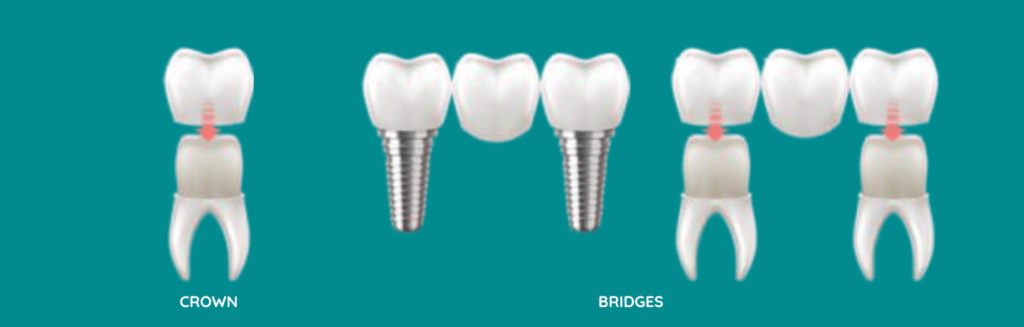
Previous dental work like tooth fillings, crowns, or bridges needs to be replaced, as they may cause some complications.
Higher Cost
In orthodontics, insurance coverage is limited, because of which some adults have to pay the full amount for the treatment out of their pocket.
Types of Braces Suitable for Adults
Adults have more options than ever before:
Traditional Metal Braces
Still the most effective for complex cases. They are strong, reliable, and usually the most affordable option.
Ceramic Braces
These are customized according to the natural tooth color of the patient so they blend with the teeth and are hard to notice.
Lingual Braces
Placed on the inside (back) of the teeth, completely hidden from view.
Clear Aligners
Popular among adults who want a nearly invisible option. Patients can remove them before eating and cleaning their teeth.
An experienced orthodontist can help you make the right choice, which depends on your:
- Lifestyle
- Budget
- Case complexity
What to Expect During Treatment
Although the orthodontic treatment for adults is the same as that provided to teenagers, there are still some differences:
- In comparison to teenagers, the treatment time may elongate because in adults teeth are moved slowly to the desired place.
- The jawbone density is higher in adults, which slows down teeth movement.
- The dentist closely examines gum and teeth health to prevent periodontal complications.
- Adults have to strictly follow the dentist’s instructions to get good results.
Most treatments last between 12 and 24 months, though complex cases can take longer. Regular visits every 4–8 weeks are needed for adjustments.
Potential Challenges for Adults
Adults may face a few challenges, like:
- Adults have to take time out from their hectic routine. Their work and other social commitments can make it tough for them to attend dental appointments on time.
- Some adults have old dental work (fillings, crowns, bridges) that needs special attention.
- Gum health must be excellent before starting treatment.
- Patience is required, as results take time.
However, most adults find the process manageable and well worth the effort.
Best Age to Get Braces
- In children between the ages of 8–12 years, a dentist can provide treatment to guide jaw growth and prevent severe problems later.
- As far as teenagers are concerned, i.e., between 13–18 years, their age is ideal for comprehensive braces because the jaw is still growing, teeth move faster, and treatment is usually shorter.
- For adults, i.e., 18 and above, there is no upper age limit. Many adults successfully get braces in their 20s, 30s, 40s, and even 50s or 60s.
Possibilities and Outcomes for Adults
The good news is that adults can achieve excellent results with braces or Invisalign. Modern orthodontics has made it very possible to:
- Straighten crowded or crooked teeth
- Close gaps
- Correct bite problems (malocclusion)
- Improve facial profile and jaw alignment
- Fix relapse from childhood braces
Realistic Outcomes for Adults:
- 80–90% of adult cases achieve good to excellent results.
- Treatment may take 18–36 months depending on complexity.
- Success rate is very high when gum health is well-maintained.
- Many adults report life-changing improvements in confidence and self-image.
Conclusion
To correct the dental issues, braces at any age are possible. If you’ve been thinking about straightening your teeth but assumed you were too old, think again. Don’t let age hold you back. Consult an experienced orthodontist today at Klinika Dental Clinic in Dubai and take the first step toward the confident smile you deserve.
FAQs
- What is the first step for adults wanting braces?
Book a consultation with an experienced orthodontist. They will take X-rays, scans, and photos to create a personalized treatment plan and discuss braces at any age options suitable for you.
- Is it worth getting braces in your 40s or 50s?
Absolutely. After treatment many adults in their 40s and 50s report life-changing improvements in:
- Confidence
- Appearance
- Oral health
- Do adults need jaw surgery more often than teenagers?
In some cases where there is serious jawbone issue, patient need a surgery before getting braces treatment.
- Will my teeth move back after braces as an adult?
Teeth can shift at any age. This is the reason why dentists suggest retainers after treatment. Lifelong night wear is usually recommended for adults.
- Do adults need to have perfect gum health before braces?
The patient’s gum health should be perfect before getting braces. Any gum disease must be cured before orthodontic treatment.