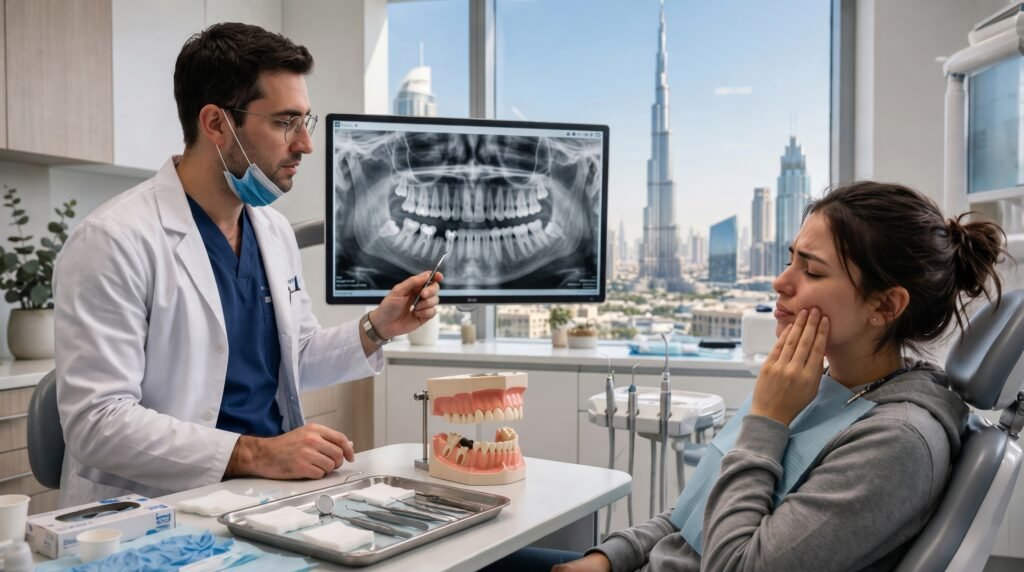
Your tooth will be extracted.
Ouch!
Seems to be a painful procedure. This is how people feel about it and are very conscious about it because they have to get through surgery. Therefore, all their focus is on getting that damaged, painful tooth out of their mouth. Extraction is done by the dentist, but what needs a patient’s attention is tooth extraction aftercare. The space left open by the uprooted tooth needs a lot of care.
Blood clot protection
When there is a cut, the body develops a clot that acts as a natural healing bandage to keep infection away and cover the cut area so healing can occur. Similarly, when a tooth is extracted, a clot is formed in that open space left by a removed tooth. Nerves and bone beneath the tooth are exposed after extraction. They are covered by a clot that your body makes naturally. This also means that healing of the wound has started.
The major goal after tooth extraction is to keep that clot in place, so patients need to avoid:
- Spitting hard
- Using a straw
- Smoking
- Poking the area with a tongue or finger
All these activities can dislodge the clot, and if it’s lost, you can develop a dry socket, which is painful and requires a dentist.
Tooth extraction aftercare in the first 24 hours
What to do
- The dentist put a pad of gauze on the socket. Bite down firmly on it and change it when it is soaked through. A little oozing is normal for the first day.
- Take it easy for the rest of the day, and avoid hard exercise.
- Resting with the head slightly raised, for example on two pillows, can help with bleeding and swelling.
- Hold an ice pack against the cheek in short spells, with a thin cloth between the ice and the skin. Ten to twenty minutes at a time is typical.
- Wait until the numbness is gone before eating because biting the lip, cheek or tongue by accident is easy while the area is numb.
- Donot delay the medicine as prescribed by your dentist, especially the painkillers.
What to avoid
- Don’t use a straw because the sucking action can pull the clot out.
- Don’t rinse hard or spit.
- Don’t smoke or vape as it is one of the biggest risks for a dry socket.
- Don’t drink alcohol because it can irritate the area and interfere with healing.
- Don’t poke the socket. Keep the tongue and fingers away.
- Don’t chew on the extraction side.
Healing after extraction
Healing occurs gradually, and the time of healing is different in every case. Some patients heal quickly while some need some more time to heal.
Day 1
The clot forms and settles. Mild oozing that fades is expected, and the numbness wears off.
Days 2 to 3
Swelling usually peaks around now, and day two is often the hardest. There may be some bruising and a stiff jaw.
Days 4 to 7
The clot is gradually replaced by new tissue, and the gum edges begin to close. The socket can look whitish or grey-pink. That is usually normal.
Week 2
The maximum gum surface is closed. Stitches, if they were dissolvable, are usually gone, and pain is minimal.
Weeks 3 to 4
The gum looks firm and pink, and bone begins forming underneath.
Months 2 to 6
The bone fills in and reshapes. Complete healing, including the bone, takes several months, even though the mouth feels normal long before that.
Wisdom tooth extraction takes a bit longer to heal, so discuss the healing timeline with your dentist, as he knows your medical history and can better provide an estimated time. He may call you for frequent follow-up checkups to examine the condition of healing after extraction.
The part worth taking seriously
A dry socket happens when the blood clot:
- Doesn’t form
- Is dislodged
- Dissolves too early
The bone and nerves are left exposed, which causes severe pain. It usually starts one to three days after the extraction.
Signs of a dry socket:
- Pain that gets worse a few days after the extraction, instead of easing
- A socket that looks empty, or bone that can be seen
- Pain spreading to the ear, eye, temple, or neck on the same side
- A bad taste or bad breath
What raises the risk:
- Smoking and tobacco use
- Poor mouth care
- Not following the dentist’s aftercare instructions
- A current or past infection in the tooth or gum
- A difficult removal
- Certain medicines, such as some birth control pills, which the dentist should be told about before going through the procedure.
Therefore, it is important to take these simple dry socket prevention steps:
- Skip straws for at least the first week.
- Keep away from smoking or having tobacco until your dentist says. Even a couple of days helps, and longer is better.
- Keep rinsing gentle, and start only when the dentist says so, usually after the first 24 hours.
- Avoid hard exercise for the first few days.
- Stick to soft foods at first.
- Keep the rest of the mouth clean.
- Tell the dentist before the procedure about any medicines or supplements being taken.
A dry socket can be treated, usually with a medicated dressing and pain relief, so there is no need to put up with the pain. If pain gets worse instead of better, call the dentist.
Be careful about eating and drinking.
Food matters more than people expect, and it is a big part of healing after extraction.
Good choices in the first days:
- Soup
- Yoghurt
- Scrambled eggs
- Mashed potato
- Smoothies (eaten with a spoon, not a straw)
- Porridge
- Soft pasta
Foods and drinks to avoid for now:
- Anything very hot, which can increase bleeding
- Hard, crunchy or sticky foods
- Small seeds and grains that can get into the socket
- Spicy foods that may irritate the area
- Alcohol and sugary or fizzy drinks that can sting
Eat on the opposite side of the mouth at first, and return to normal food gradually over about a week, or as the dentist suggests.
Cleaning the mouth without hurting the socket
Cleaning the mouth is a very important part of reducing the chances of infection, but it should be done gently, not harshly.
- Brushing: Start normal brushing the same day if comfortable. Be very careful around the extraction site and avoid touching the socket directly.
- Salt water rinses: When 24 hours have passed after the tooth surgery, rinse gently with salt water. Add little salt about half teaspoon in water that should be warm, mix it well and rinse your mouth. Donot spit it out with pressure.
- Mouthwash: Use only what the dentist recommends. Some mouthwashes contain alcohol, which can irritate the area.
What is normal, and what is not
You need emergency treatment if swelling increases too much and affects eating, swallowing, and causes breathing issues. Moreover, if bleeding does not decrease or improve by applying slight pressure, it is worth considering and needs to be checked by a dentist. Such conditions can be fatal if ignored, so timely checking is necessary.
Tooth extraction aftercare habits for the first week
Some preventive measures and developing tooth extraction aftercare habits are necessary, especially in the first few weeks when healing is taking place.
- Head should be raised slightly while sleeping to avoid pressure on the extracted tooth site.
- Eat soft meals and get proper rest.
- Take your medicines on time, especially antibiotics, to avoid any kind of infection attacking the clot development area.
- Most important is follow-up checkups that should not be missed because during these visits the dentist can examine and assess how well the healing process is proceeding and can provide necessary treatment immediately if any suspicious activity is seen.
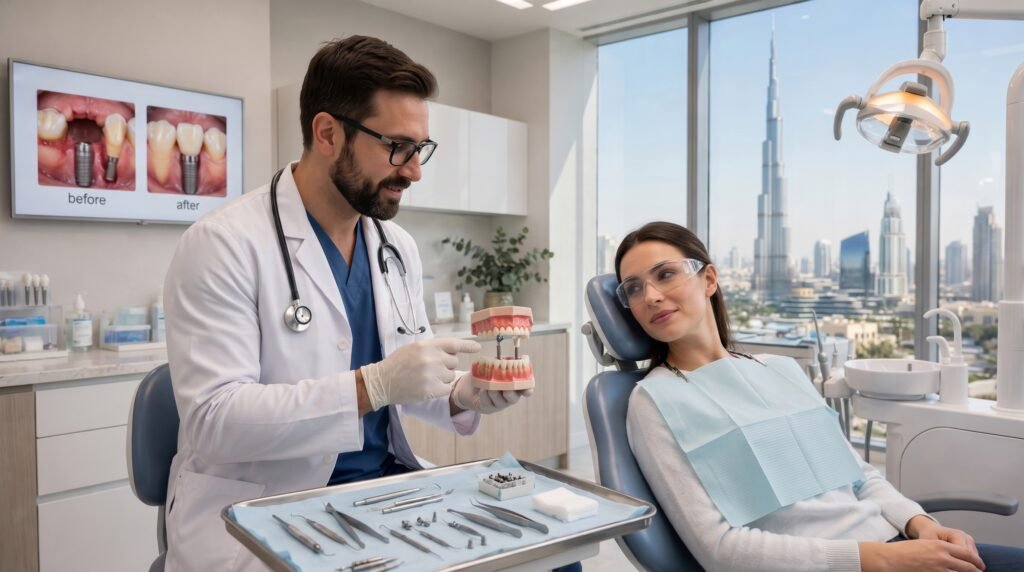
- The gap left by an extracted tooth can be filled by an artificial implant so discuss with your dentist about it. In this way, he can start preparing your mouth for the implant in advance. This will save time.
Extract of discussion
Tooth extraction aftercare and monitoring the healing closely is an important phase. This phase should be passed with a lot of care and attention. Patients need to follow their dentist’s instructions and consult immediately if any emergency arises. Get your tooth extracted by a good dental clinic like Klinika Dental Clinic in Dubai, which not only operates but monitor their patient’s oral health through follow-up checkups until proper healing is done.
FAQs
01. What should be done in the first 24 hours after a tooth extraction?
- Bite firmly on the gauze pad
- Change gauze when it is soaked through
- Rest
- Keep the head slightly raised
- Hold a cold pack against the cheek in short spells, ten to twenty minutes at a time.
- Numbness stays for a few hours after the procedure. Wait for numbness to disappear, then eat something.
02. How long does bleeding last?
A little oozing is normal for the first day. If bleeding is heavy enough that gauze soaks again and again. It won’t stop even after apply slight pressure or increase or start again after stopping then you must immediately go to see a dentist for examination.
03. What is a dry socket?
It happens when the blood clot in the empty socket:
- Doesn’t form
- Is dislodged
- Dissolves too early
The bone and nerves are left exposed, which causes severe pain, usually one to three days after the extraction. It is treatable, so the dentist should be called if pain gets worse instead of better.
04. How can a dry socket be prevented?
- Skip straws for at least the first week
- Avoid smoking and tobacco for as long as the dentist advises,
- keep rinsing gentle
- Do not do hard exercises, especially in the starting days.
- Eat soft food,
- Keep the rest of the mouth clean
- Tell your dentist your medical history so he can see if you are taking any medicine that thins blood because it can also cause dry socket issues.
05. How long should smoking be avoided after an extraction?
At least 24 to 48 hours, and in some cases up to a week, because smoking is one of the biggest risk factors for a dry socket. It delays healing, so follow the dentist’s instructions obediently.